Some nights you can’t go back to. Now you can.
Stories you live through on your phone, told by someone who was there. Scroll and the hours pass. Turn the sound on and you are in the room.
Three last days, from the inside
Each one opens on your phone in a few minutes, and ends where the full story begins.
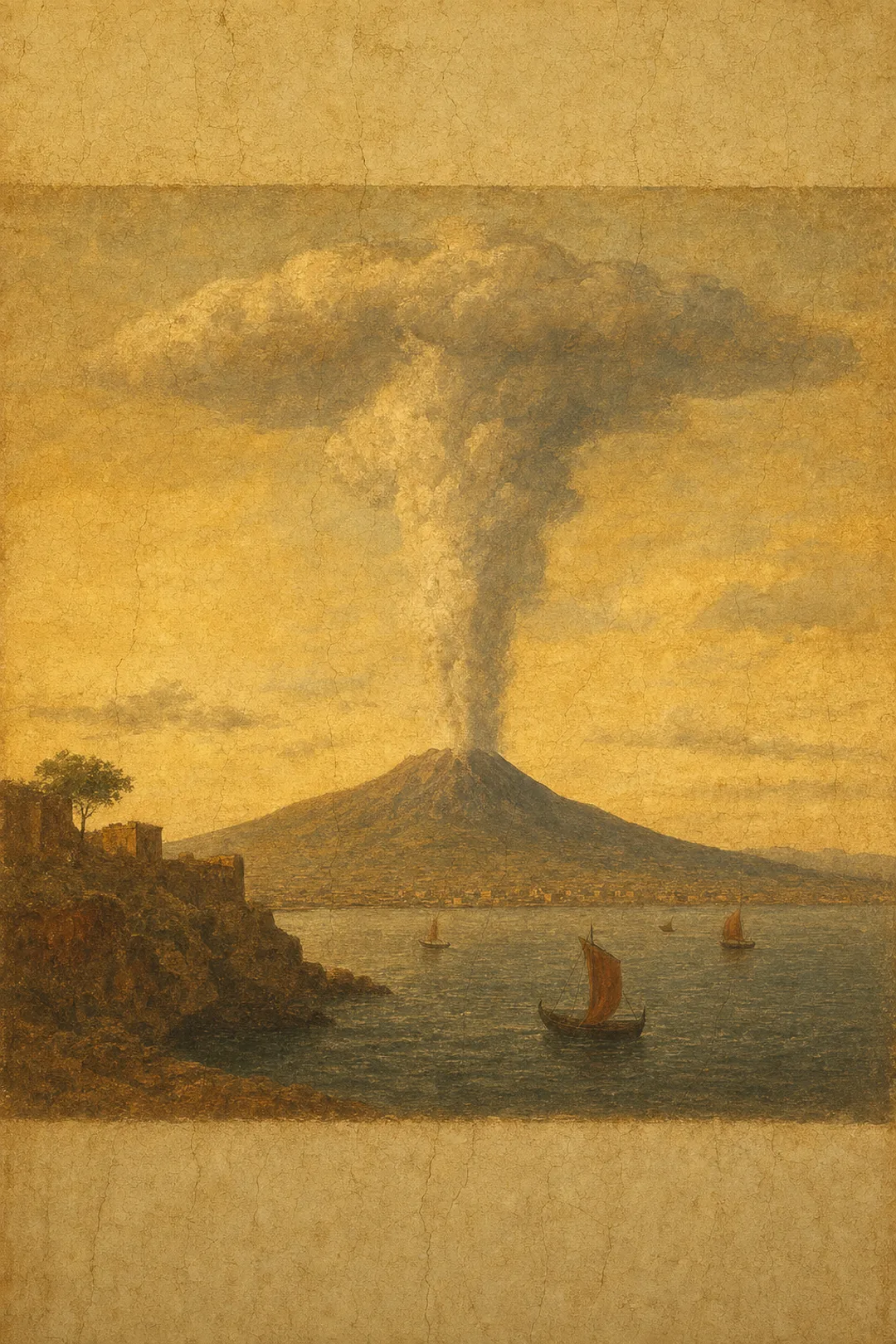
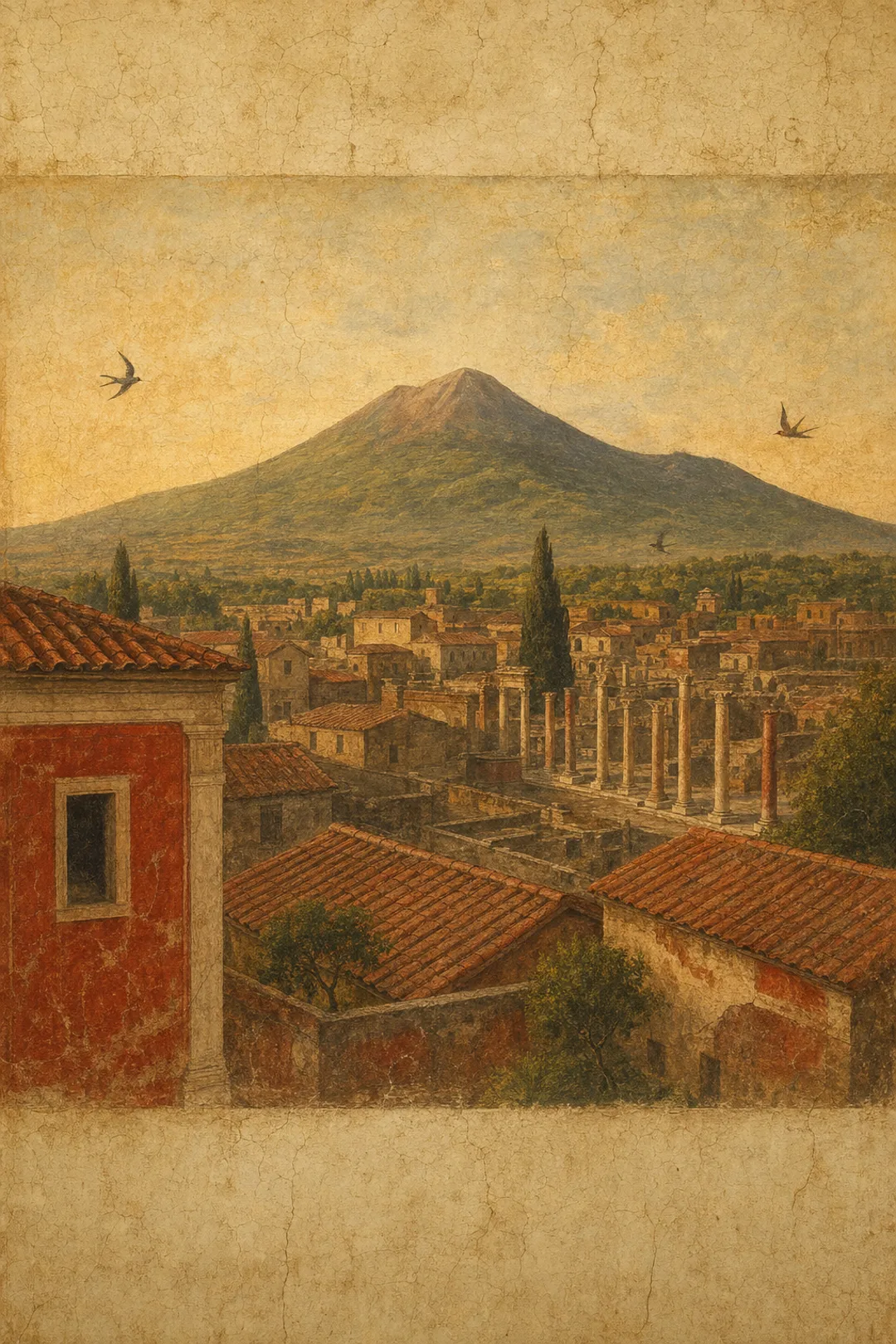
Pompeii
The last day
“A Roman town on the Bay of Naples. This is its last day. Nobody here knows that yet.”
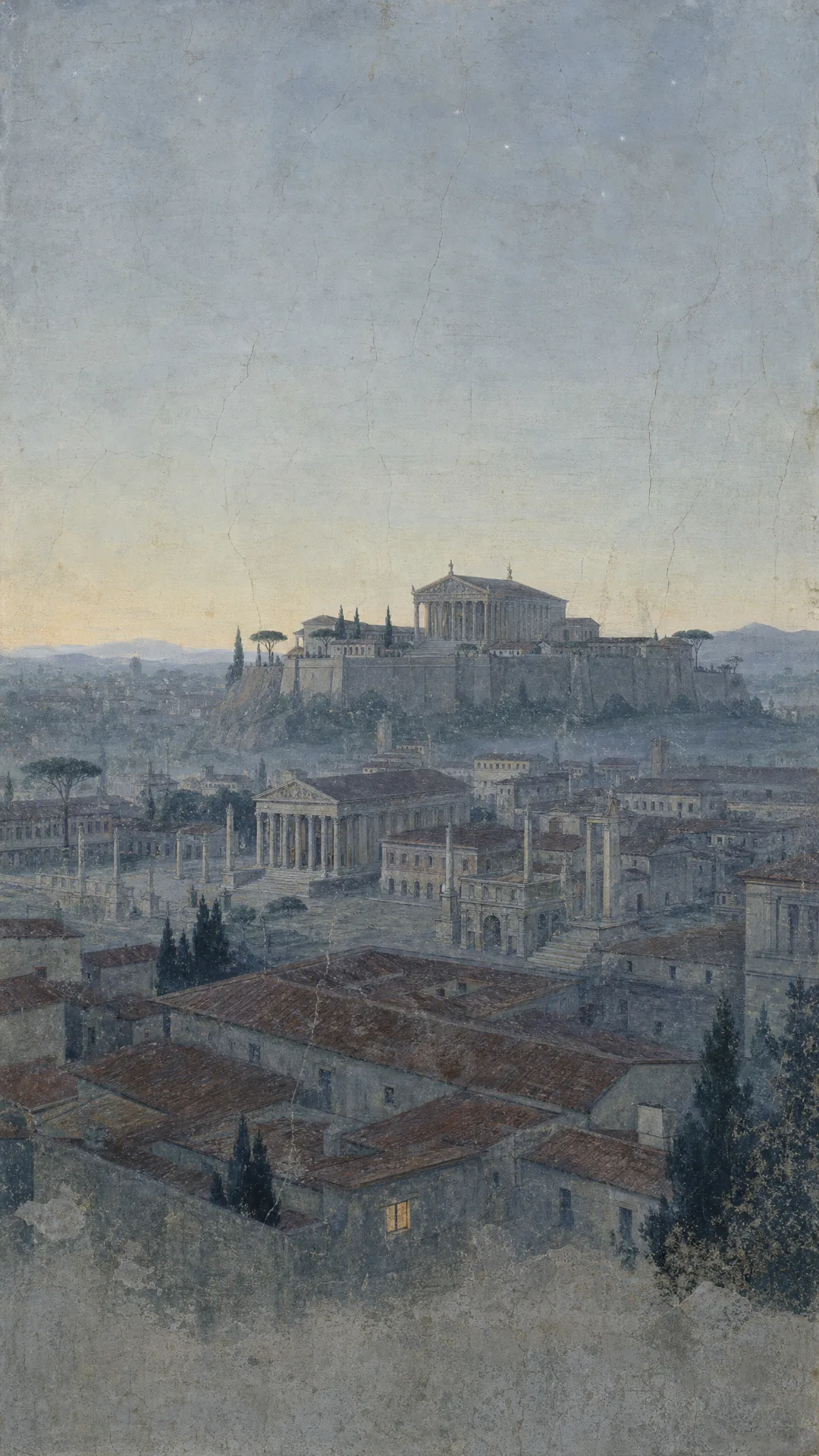
Ides of March
Caesar’s last morning
“The Ides of March, before dawn. Rome was asleep. More than sixty men had already chosen the morning.”
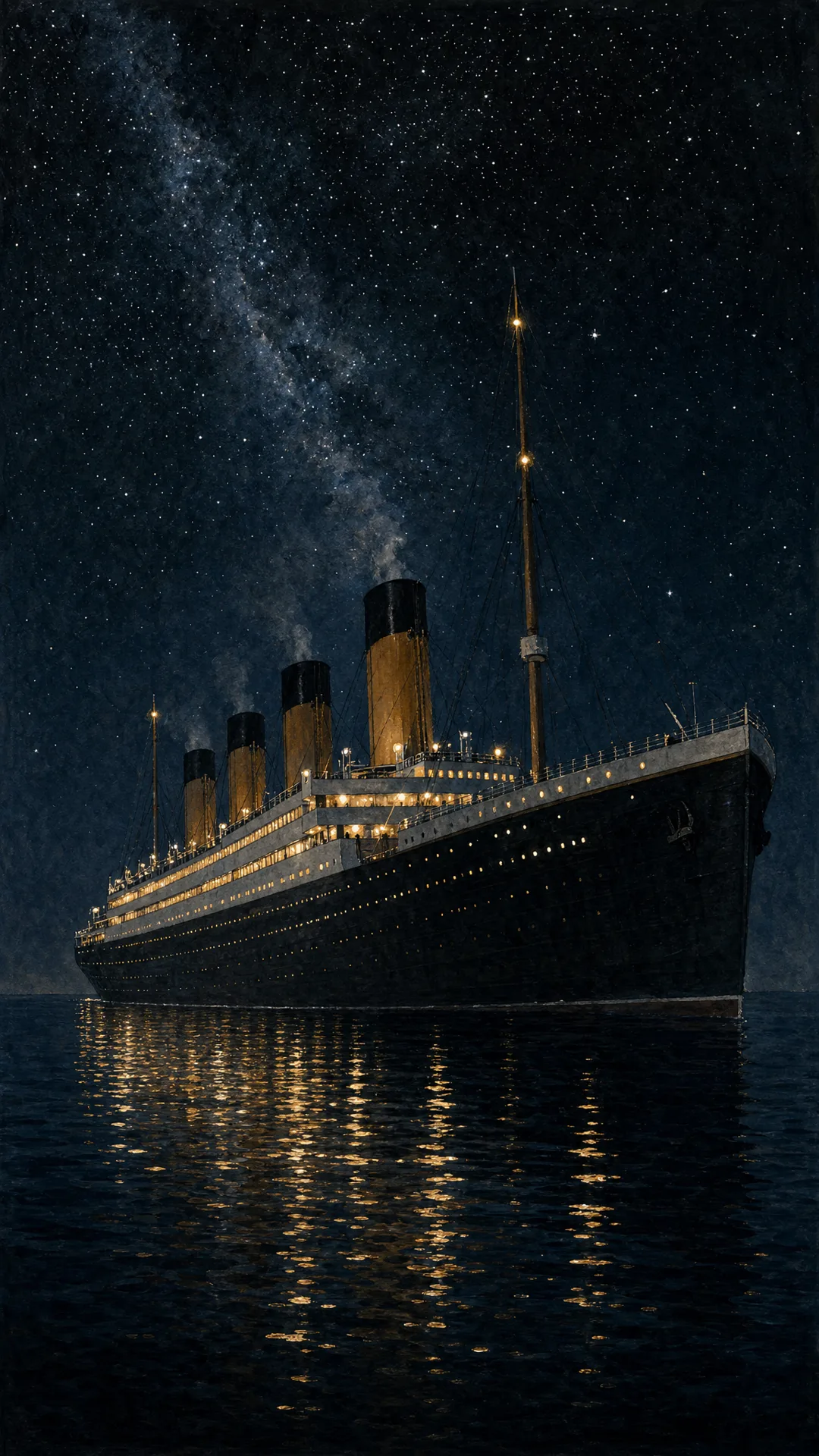
Titanic
The last night
“Sunday night, our fourth day out. The sea was flat as glass. There was no moon.”
Not a film, not a book. You scroll through the night.
- 01
Someone who was there tells it
Each story has one voice. On the Titanic, a seaman who rowed lifeboat 14. In Rome, the Greek teacher who put a warning into Caesar’s hand. In Pompeii, the boy across the bay who wrote it all down.
- 02
Your scroll is the clock
Scrolling moves time forward, and the rail at the side counts the hours: 11 PM to 2:20 AM at sea, the fourth watch to the sixth hour in Rome, dawn to a night that falls at noon in Pompeii. Stop, and the moment waits for you.
- 03
Pictures that move, a place you can hear
Every scene is a painted plate that breathes: steam from the funnels, smoke over the Forum, ash on the street. Turn the sound on and you hear the room: the sea, the engines, the crowd at the Senate door.
- 04
Only what happened
The facts come from the record: sworn testimony at the 1912 inquiries, Plutarch and Suetonius, Pliny’s letters. Nothing borrowed from the films.
- 05
Then you choose where you are
Each page is the opening. The full story runs about an hour, and you choose your place in it: a first-class cabin, third class below deck, the radio room, a lifeboat.
Choose the one you want first. It’s yours free.
The same sign-up as at the end of each story: pick it, leave your email, and we send it to you on launch day.
Being writtenChernobyl, 1986Persepolis and Isfahan